Understanding wheat in Yemen
Read the complete meal: its base, sauces, stock, seasonings, coatings, garnishes and preparation. A familiar dish name does not establish the recipe used for the serving in front of you.
This guide keeps every selected food together. A recorded connection identifies something worth checking; a missing connection leaves the ingredient status unknown.
Relevant food context for Yemen
Flatbreads and enriched doughs: Wheat-based preparations can differ in their added ingredients. Areek may have a cream topping; aseedah may use butter; bint al-sahn may include egg, dairy-derived additions and sesame; malawah may include egg or butter. Ask whether the dough was enriched, what was brushed between layers, and whether the griddle or serving plate was shared.
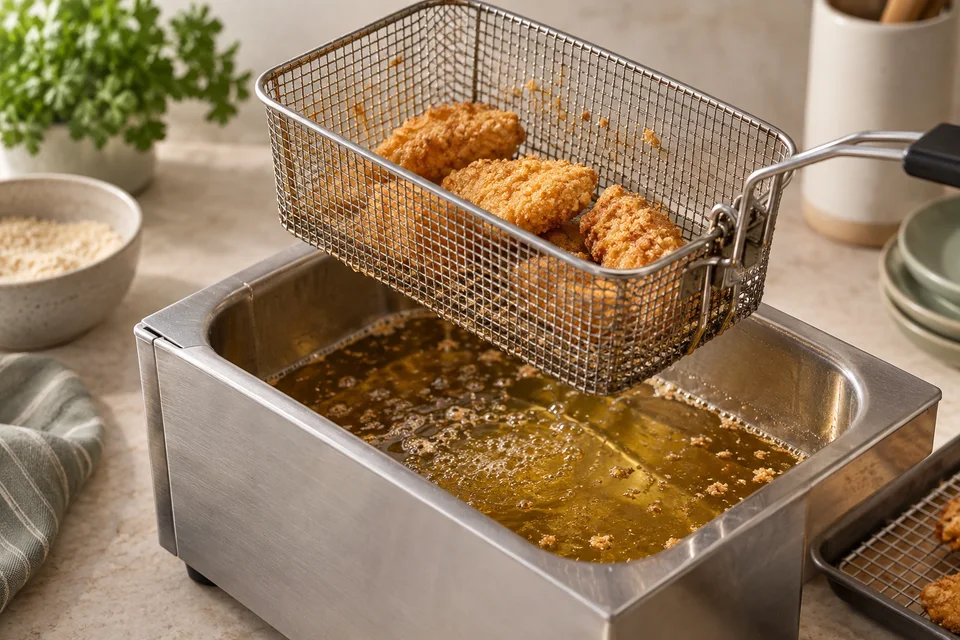
Filled, soaked and mixed dishes: Mutabbaq has a wheat-flour wrapper and a commonly recorded egg filling, while sambusa has a wheat-flour pastry wrapper. Shafout uses soaked wheat bread with a seasoned yogurt or buttermilk mixture, and some Yemeni fattah preparations use yogurt. Ask about the complete filling or soaking mixture, including oil, seasoning, toppings and utensils.
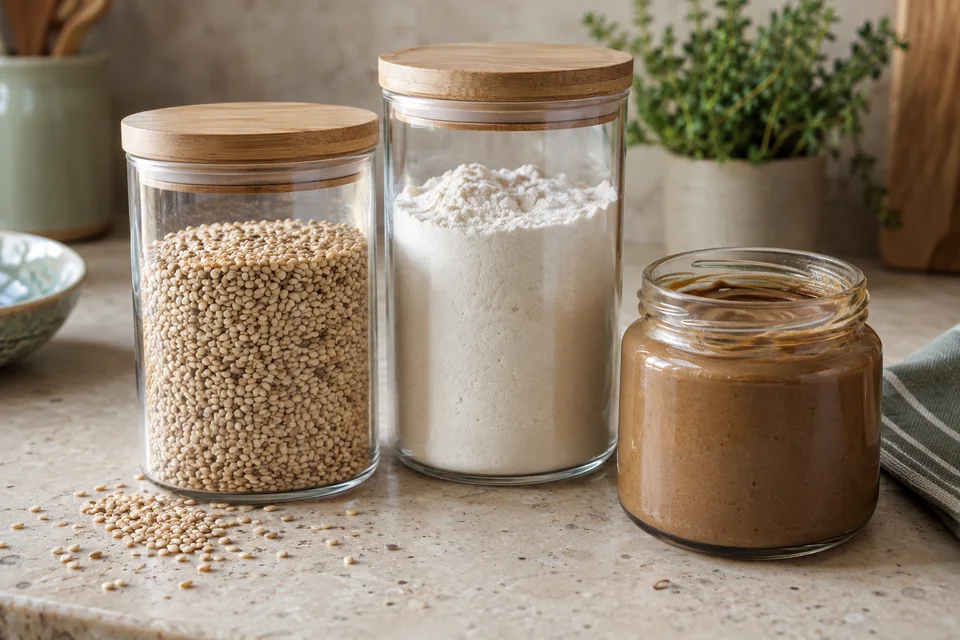
Wheat flour: Wheat flour is the dough base or principal grain in areek, aseedah, lahoh, malawah, masoub, mutabbaq, sambusa, shafout and fattah. Ask whether the recipe also contains other flours, and whether shared surfaces or utensils were used.
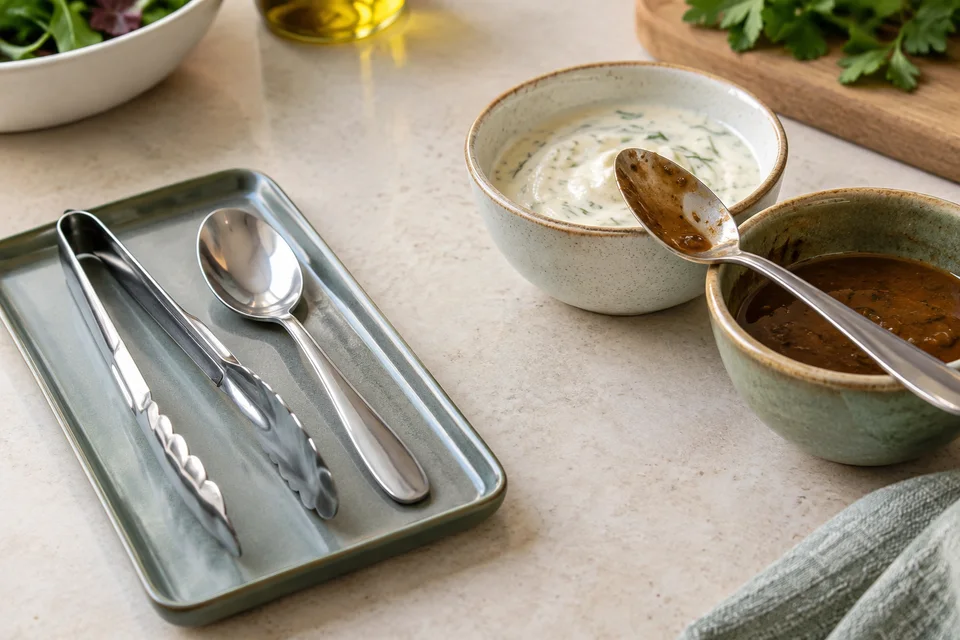
Shared meal: If invited to share a meal, ask what every dish contains before serving: wheat dough, dairy, egg, fish, meat, stock, spices, honey and toppings. For salta or mandi, ask how the stew, meat and rice were cooked, and whether serving utensils move between dishes.
Packaged-food shop: Read the complete ingredient list and preparation directions before buying breads, dairy products, oils or sweets. Ask about unclear ingredients and production details, including wheat flour, milk-derived ingredients, egg, sesame and generic vegetable oil, which may be soybean oil but is unspecified.