Understanding wheat in Palestine
Read the complete meal: its base, sauces, stock, seasonings, coatings, garnishes and preparation. A familiar dish name does not establish the recipe used for the serving in front of you.
This guide keeps every selected food together. A recorded connection identifies something worth checking; a missing connection leaves the ingredient status unknown.
Relevant food context for Palestine
Bread, pastry and wheat: Wheat can enter meals through pita, taboon bread, manakish, fatayer, sambousek, tamriyeh, kataifi and phyllo. Freekeh is roasted green-wheat grain; maftoul uses wheat semolina, while some mujaddara uses bulgur rather than, or alongside, rice. Ask whether bread, pastry, thickener or vermicelli is included and whether it is served on the same plate.
Meat, chicken and fish dishes: Mansaf is described as rice with meat, usually lamb. Freekeh with chicken uses a roasted wheat grain, and Palestinian sayadieh is defined by fish. Musakhan is served on wheat-based bread and may have a pine-nut garnish. Ask about stock, marinades, cooking fat, garnish and whether the protein shares a grill, pan or utensil.
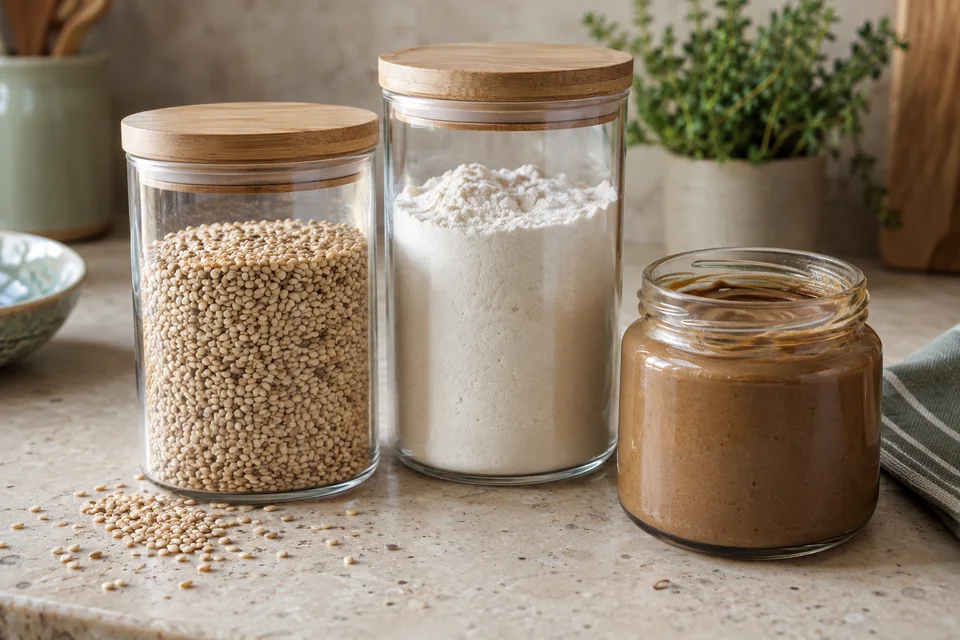
Wheat flour: Wheat flour is recorded in taboon bread, manakish, falafel preparations, awameh, sambousek, fatayer and sweets. Ask whether it is in the dough, a thickener, a coating or an accompaniment, and whether wheat bread is kept separate.
Pita Bread: Pita is made commonly with wheat flour, and some formulations include sesame. It is recorded in fatteh and may accompany hummus or falafel. Check the bread itself, any sesame topping, crumbs on shared plates and whether it is added after cooking.
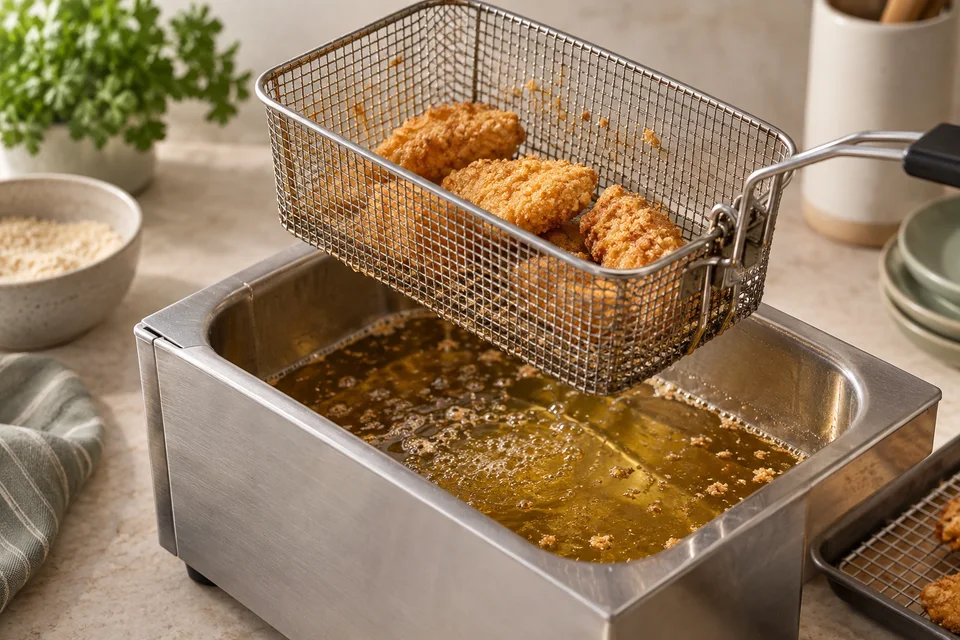
Falafel or shawarma counter: Ask whether falafel includes egg or wheat flour, what bread and sauce are provided, and whether tahini is added. For shawarma, ask about marinade, stock, toppings and shared grill tools; request confirmation about shared oil, boards and serving utensils.