Understanding wheat in Thailand
Read the complete meal: its base, sauces, stock, seasonings, coatings, garnishes and preparation. A familiar dish name does not establish the recipe used for the serving in front of you.
This guide keeps every selected food together. A recorded connection identifies something worth checking; a missing connection leaves the ingredient status unknown.
Relevant food context for Thailand
Rice, noodles and wrappers: Rice appears in examples such as sticky rice with som tam or larb, fried rice and rice-based noodle meals. By contrast, bami and khao soi use egg noodles, while roti, salapao and spring rolls can use wheat flour. Ask whether noodles, wrappers or coatings are wheat-based, and whether soy sauce or another sauce has been added.
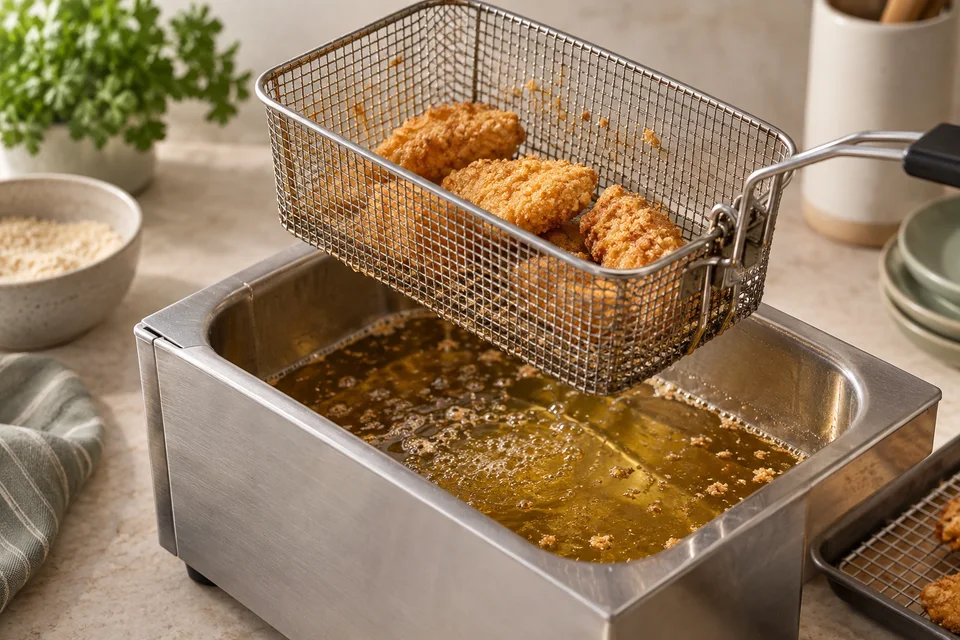
Wheat flour: Wheat flour is recorded in roti, salapao, spring-roll wrappers, fritter coatings and bami or khao soi noodles. Ask whether the named wrapper, batter or noodle is made with wheat, and whether a separate pan or water is used.
Bakery, snack counter or packaged-food shop: For roti mataba, salapao, pa thong ko, spring rolls or a prepacked snack, ask about wheat flour, egg, fillings, coating and frying oil. For packaged food, keep the original pack and read the complete Thai ingredient and warning information.
Using this guide
Open Dishes to investigate recorded local connections, Ingredients & hidden sources to follow component paths, Shopping & labels for names and package checks, and Eating out for a complete kitchen conversation.