Understanding wheat in Italy
Read the complete meal: its base, sauces, stock, seasonings, coatings, garnishes and preparation. A familiar dish name does not establish the recipe used for the serving in front of you.
This guide keeps every selected food together. A recorded connection identifies something worth checking; a missing connection leaves the ingredient status unknown.
Relevant food context for Italy
Pasta, rice and staged meals: Pasta is commonly served as a primo rather than the whole meal, and fresh versions may use wheat flour and egg while dried versions may not. Tagliatelle al ragù Bolognese combines fresh pasta with a traditional milk-containing ragù. Risotto alla Pilota may include butter and finishing cheese, while stock needs separate checking.
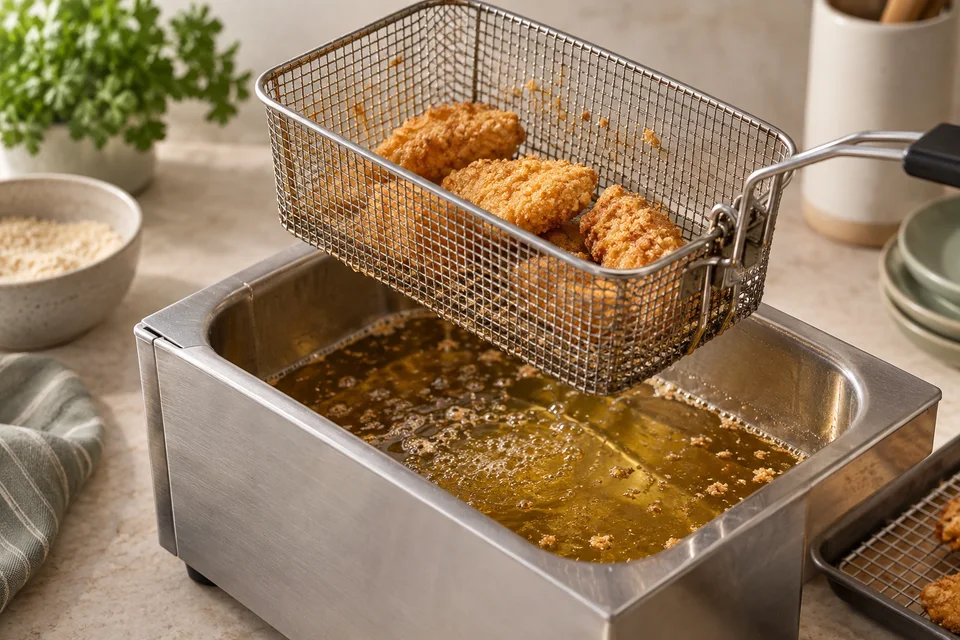
Bread-based and fried foods: Bread is built into dishes such as ribollita, pappa al pomodoro, panzanella and acquacotta. Fried examples add further steps: arancine may have a wheat breadcrumb coating and egg, while cuoppo napoletano may combine wheat coating with fish, crustaceans or other seafood. Ask about batter, crumb, oil and shared utensils.
Pizza, filled breads and regional forms: Pizza varies by place and recipe: Pizza Margherita has a wheat crust and mozzarella, Pizza Marinara has a wheat crust, and Pizza al Taglio Romana may have mozzarella toppings. Piadina Romagnola is a wheat flatbread. Ask whether toppings, fillings or finishing cheese are added after cooking and whether the base is prepared separately.
Wheat flour: Wheat flour appears in pizza, bread, pastries, fresh pasta, piadina and coatings. Check whether the recipe uses wheat flour, semolina or breadcrumbs, and ask about shared surfaces, sieves, ovens, water and utensils. Gluten and wheat are distinct concerns, so describe the one relevant to you.
Pizzeria or pizza al taglio counter: Ask whether the base is wheat-based, what is on the topping, and whether cheese, anchovy or other ingredients are added after baking. At a slice counter, ask whether the server uses the same scissors, tray, gloves or board for different pizzas.
Using this guide
Open Dishes to investigate recorded local connections, Ingredients & hidden sources to follow component paths, Shopping & labels for names and package checks, and Eating out for a complete kitchen conversation.