Understanding fish in Estonia
Read the complete meal: its base, sauces, stock, seasonings, coatings, garnishes and preparation. A familiar dish name does not establish the recipe used for the serving in front of you.
This guide keeps every selected food together. A recorded connection identifies something worth checking; a missing connection leaves the ingredient status unknown.
Relevant food context for Estonia
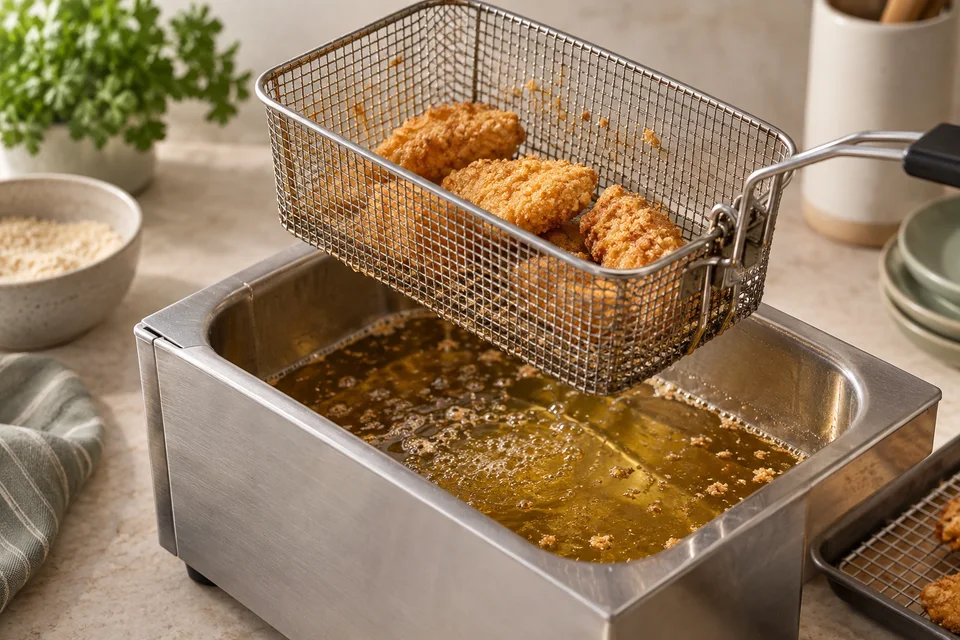
Fish may be topped, fried or baked: Kiluvõileib uses sprats as its defining topping on bread, with butter commonly spread underneath. Rosolje traditionally includes herring and may have sour cream and hard-boiled egg. Räim tomatis centres on herring, but some versions are fried or breaded with wheat; räimevorm uses herring in a mixture that can include cream and sometimes butter. Confirm the fish, coating and sauce.
Wheat flour: Wheat flour is central to pancakes, dumplings, cakes, buns and some breaded fish preparations. Ask whether it is in the batter, coating, sauce or shared fryer, and whether a separate wheat-containing garnish is added.
Butter: Butter is milk-derived and appears as a spread, enriched-dough ingredient, cake fat or part of a creamy fish casserole. Ask whether it is used in the base, brushed on top or added during cooking.
Herring: Herring is the defining fish in rosolje, räim tomatis and räimevorm, but the surrounding ingredients vary. Ask whether it is plain, breaded, fried, preserved or mixed with cream, egg or another dressing.
Restaurant meal: With verivorst, mulgikapsad, rosolje or räimevorm, ask about the sausage filling, grain, stock, dressing and garnish separately. For fish, check breading and shared oil; for creamy dishes, ask whether butter or cream is included.
Using this guide
Open Dishes to investigate recorded local connections, Ingredients & hidden sources to follow component paths, Shopping & labels for names and package checks, and Eating out for a complete kitchen conversation.