Understanding fish in Colombia
Read the complete meal: its base, sauces, stock, seasonings, coatings, garnishes and preparation. A familiar dish name does not establish the recipe used for the serving in front of you.
This guide keeps every selected food together. A recorded connection identifies something worth checking; a missing connection leaves the ingredient status unknown.
Relevant food context for Colombia
Soups, stocks and finishing ingredients: Soup is common in restaurant and family meals. Changua uses cow milk and a poached egg; ajiaco may be finished with cream and served with rice, avocado, corn and capers. Sancocho has regional versions: chicken is recorded inland, while fish is associated with coastal examples. Ask whether stock, cream, milk, herbs or toppings are added separately, and whether the stated protein is cooked in the same broth.
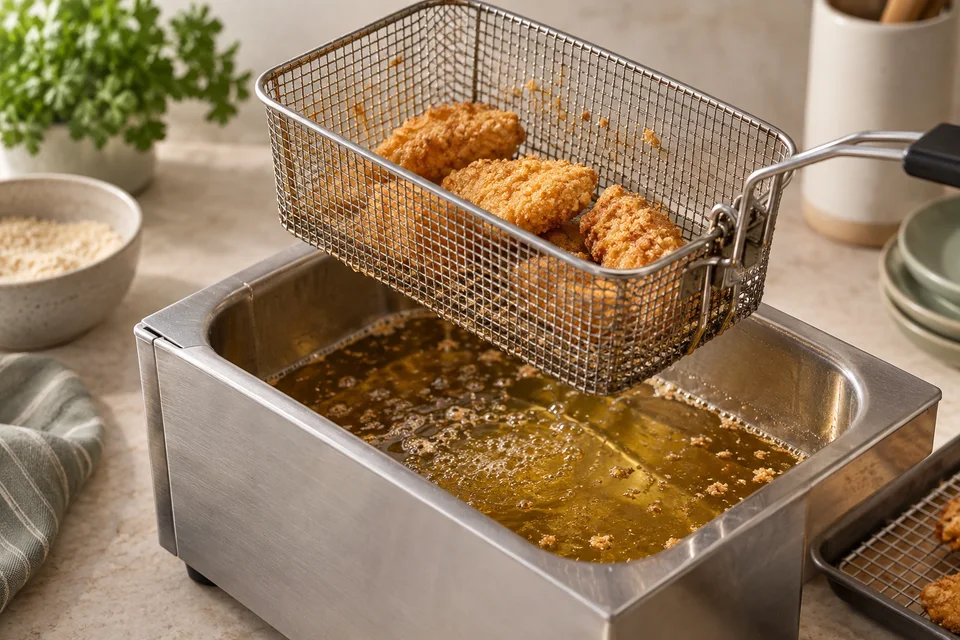
Corn, wheat and fried preparations: Arepas are thick corn tortillas and may be served with cheese or butter; arepa de huevo has a whole egg filling. Tamales use maize and may contain pork or chicken, vegetables and egg, with regional variation. Pan de bono and almojábana use cheese-based dough, while coastal fried fish may receive a wheat-flour coating. Ask about dough ingredients, binders, coatings and shared oil.
Plates, rice and sweet foods: A bandeja paisa can bring together rice, beans, fried plantain, arepa, fried egg, chorizo and chicharrón, so confirm the full platter rather than ordering by name alone. Coastal rice dishes may feature fish, prawns, crab or clams. Desserts range from milk-rich tres leches and arequipe to fruit-based bocadillo and coconut sweets; ask about cream, condensed milk and recipe-specific binders.
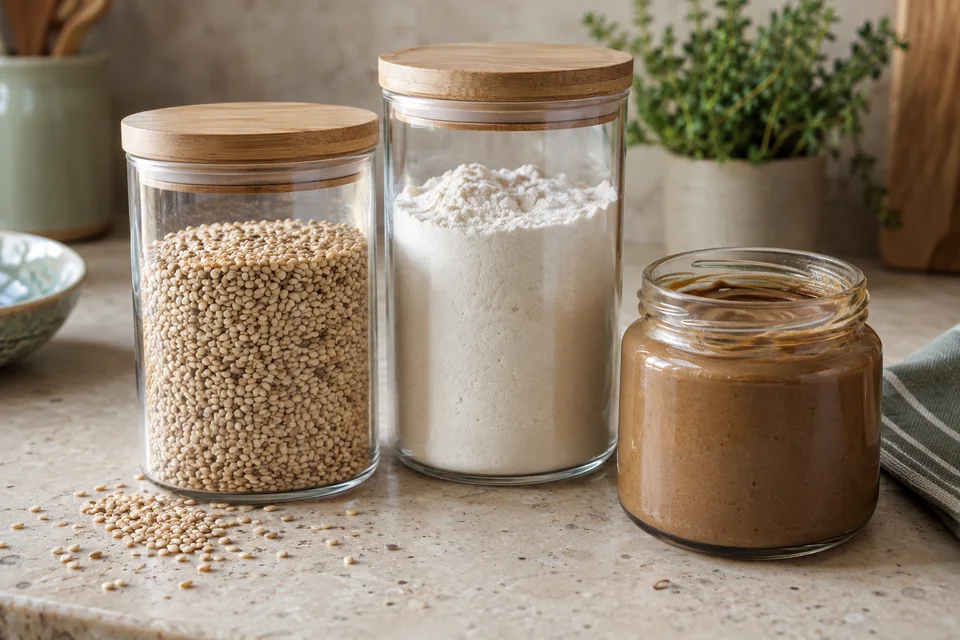
Wheat flour: Wheat flour may coat coastal fried fish and forms the batter of some cakes. Wheat and gluten are not interchangeable terms, and coeliac disease is not an IgE allergy. Ask about flour, crumbs, pasta, stock and fryer contamination separately.
Fish: Fish is the defining protein in several soups and rice dishes, while mixed seafood may combine fish with shellfish. Ask which species or stock is present, whether seafood is cooked together, and whether shared grills, pans or serving spoons are used.