Understanding fish in Nigeria
Read the complete meal: its base, sauces, stock, seasonings, coatings, garnishes and preparation. A familiar dish name does not establish the recipe used for the serving in front of you.
This guide keeps every selected food together. A recorded connection identifies something worth checking; a missing connection leaves the ingredient status unknown.
Relevant food context for Nigeria
Soups, stocks and served starches: Nigerian food examples include afang, okra, owo, egusi, ogbono, efo riro and pepper soup, often eaten with a starch such as amala, eba, pounded yam or rice. Ask whether the soup began with fish stock, seafood stock, dried fish, stockfish or crayfish, and whether these were blended into the base rather than added visibly. Confirm the complete soup and the starch separately.
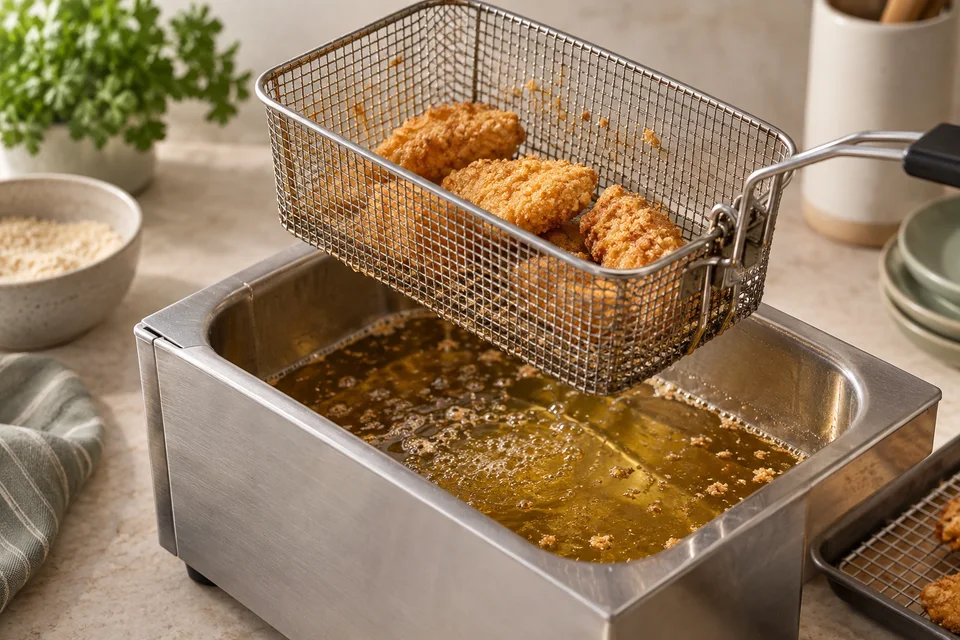
Grilling, frying and spice coatings: Plantain may be fried, boiled or roasted, while boli is a grilled or fried plantain example that may be accompanied by fish. Suya is a kebab-style food with a ground-peanut seasoning connection, and kilishi may have peanut in its coating. Ask what oil was used, whether it was shared, and whether the seasoning was applied before cooking or added at the end.
Rice, beans and steamed preparations: Jollof rice is a recognisable Nigerian example, while Nigerian fried rice may occasionally include egg. Moi moi is a bean preparation with recorded variations involving crayfish, fish or boiled egg; moin moin is also listed among local foods. Ask about stock, seasoning powders, fillings, toppings and cooking vessels, rather than assuming a plain-looking rice or bean dish has a simple recipe.
Dried Crayfish: Dried crayfish is recorded as seasoning in afang, edikang ikong and some other soups, and as a variation in moi moi. Ask whether it was ground into the soup, included in stock, or sprinkled on top.
Fish: Fish is a defining or recognised variation in Fisherman Soup, fish stew, pepper soup, egusi, ogbono and vegetable soup. Ask which fish was used, whether fish stock was added, and whether utensils or serving ladles were shared.